
Attorney Takes Full Responsibility for Missed Hearings in Sherrie Hanna Case
Community Hopes Judge McGill Will Allow Case to Proceed on the Merits

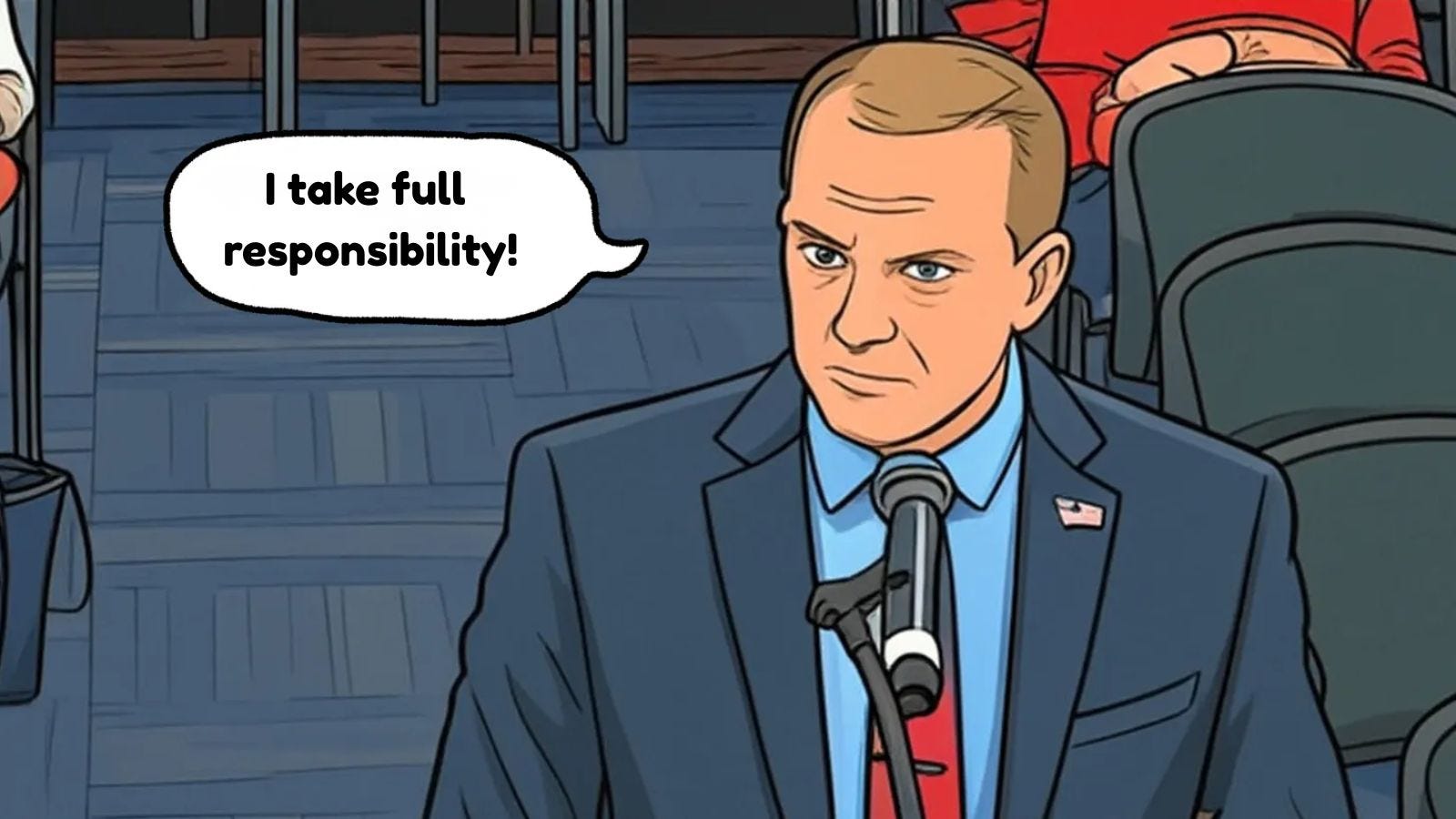
On Monday, June 1, 2026, attorney Ryan L. Heath of Heath Law, PLLC, filed a notice in the Yavapai County Superior Court case Sherrie Hanna v. City of Prescott et al., Case No. S1300CV202501125, assigned to the Honorable Michael P. McGill. View the filing by Clicking Here.
The filing addressed Attorney Heath’s failure to appear at two scheduled Trial-Setting Conferences: the May 18, 2026 conference and the continued June 1, 2026 conference.
After further review and communication from the Court’s staff, Heath has clarified that the May 18 Trial-Setting Conference was, in fact, set in the Court’s Scheduling Order issued on March 26, 2026. Court staff advised that the first Trial-Setting Conference is set in those scheduling orders, and that counsel did receive the order.
Heath acknowledges that he received that Scheduling Order and that he calendared the discovery deadlines from it. However, he failed to calendar the Trial-Setting Conference also contained in the same order. That failure was his mistake.
The May 18 minute entry reflects that neither Plaintiff Sherrie Hanna nor Attorney Heath appeared, that counsel for the City of Prescott appeared, and that the Court continued the Trial-Setting Conference to June 1, 2026 at 9:00 a.m. Heath also accepts responsibility for missing the continued June 1 setting.
Heath has now taken full and unequivocal responsibility for both missed hearings. As the founding partner and leader of Heath Law, PLLC, he has acknowledged that it was his responsibility to ensure that the Court’s orders were carefully reviewed, that all hearing dates were properly calendared, and that all appearances were made. He has apologized to Judge McGill, Court staff, and opposing counsel for the inconvenience and disruption caused by his non-appearances.
Importantly, Heath is not blaming the Court, Court staff, opposing counsel, the public docket, or anyone else. He has made clear that the missed hearings were the result of his own calendaring and oversight failure.
Heath has also asked the Court not to punish his client, Sherrie Hanna, for his mistake. If the Court believes sanctions are appropriate, Heath has offered to accept them personally or through his firm. He has asked that any sanction be directed at counsel, not at Ms. Hanna.
The requested relief is straightforward: Heath is asking the Court to reset the Trial-Setting Conference at the Court’s earliest convenience and allow the case to continue forward.
This situation highlights an important reality in our legal system. Representing yourself in complex civil litigation, especially when suing a city and public officials, is extremely difficult for an ordinary citizen. Court rules, scheduling orders, discovery deadlines, subpoenas, motions, and procedural requirements are technical and unforgiving. Citizens like Sherrie Hanna often need legal counsel to have a meaningful opportunity to be heard.
At the same time, lawyers are human. Even when actively working a case, mistakes can happen. Here, Heath has not tried to hide from the mistake. He has admitted it, apologized for it, accepted responsibility as the leader of his firm, and offered to submit to any appropriate sanction the Court believes is warranted.
The key question now is whether the case should be decided on the merits, or whether Ms. Hanna should suffer the ultimate consequence because of her lawyer’s calendaring error.
The Prescott community members who care about government transparency and accountability hope that Judge McGill will exercise his discretion to allow the case to proceed. Resetting the Trial-Setting Conference would protect the Court’s authority, preserve fairness to opposing counsel, and ensure that Sherrie Hanna is not deprived of her day in court because of an error her attorney has fully accepted as his own.
The allegations in this case should be decided based on the evidence and the law, not on a procedural mistake for which the attorney has already taken responsibility.
Heath’s updated position is one of accountability. He has apologized to the Court, to Court staff, and to opposing counsel. He has acknowledged that the mistake was entirely his. He has offered to accept personal consequences. And he has asked only that his client not be blamed for his error.
Access to the courts is a cornerstone of our democracy, especially when citizens challenge government action. Sherrie Hanna should have the opportunity to present her case fully, and the community now hopes the Court will reset the Trial-Setting Conference and allow the case to move forward on its merits.
Not being a lawyer and after reading this article, my first thought was...could there be a reason Heath did this...not once but twice? Is this a maneuver? is this a Art of the deal???
Believe McGill will be a fair judge and not punish Hanna.